
ServicesConventional Mortgage
Conventional Mortgage in Atlas, MI
A conventional loan is the standard mortgage most buyers use, but the small choices inside it decide what you pay for years. We help you weigh the down payment, mortgage insurance, term and rate lock before anything is signed.
When a conventional loan is the right fit
A conventional mortgage is not backed by a government agency. It follows guidelines set for loans that can be sold to Fannie Mae or Freddie Mac, which is why it is often the most flexible choice for borrowers with steady income and reasonable credit. It works for a first purchase, a move-up purchase or a refinance.
The loan itself is familiar. The value is in how it is put together. Two borrowers with the same rate can end up years apart in cost because of how mortgage insurance was structured, when the rate was locked or how the down payment was split. As a licensed mortgage broker, we compare conventional loan options across lenders and walk you through those details one at a time.
What we take care of on a conventional loan
- Down payment planning
- Some conventional programs allow a small down payment, while 20 percent removes mortgage insurance altogether. We show you what each amount does to the monthly payment and the cash you keep in reserve.
- Mortgage insurance terms
- If you put down less than 20 percent, private mortgage insurance applies. We explain how it is priced, when you can ask to remove it and when it drops off on its own, so it does not stay longer than it should.
- Term and rate structure
- We lay out a 30-year fixed, a 15-year fixed and an adjustable option side by side. You see the payment and the total interest for each before deciding.
- Rate lock timing
- A lock that expires a week before closing can cost money to extend. We set the lock length around your real closing date, not a guess.
- Clean documentation
- Income, assets and large deposits are reviewed before the file goes to underwriting. Catching a missing statement early saves days later.
- E-sign and in-house title work
- Most disclosures can be signed with our e-sign technology, and our in-house title work keeps the closing file in one place.
Signs a conventional loan may suit you
Your credit is strong
Higher scores earn better conventional pricing. If your score has climbed lately, a conventional loan could now beat a quote you got a year back.
You have savings for a down payment
A modest amount down qualifies you for conventional programs, and a larger amount cuts both the payment and the insurance.
You carry FHA mortgage insurance now
FHA borrowers whose equity has grown sometimes switch to a conventional loan to drop insurance that would otherwise last the life of the loan. Our FHA Refinance page explains the other half of that choice.
Your price is under the conforming limit
Conventional loans are capped by a limit set each year. If your purchase runs above it, start with our Jumbo Loans page instead.
You want mortgage insurance that ends
On a conventional loan, private mortgage insurance can be dropped once your equity is high enough, which helps if you expect to stay a while.
How a conventional loan comes together
- 1
First consultation
We begin by talking at our office, by phone or over video about your income, savings, credit, timeline and the payment you are aiming for.
- 2
Getting pre-approved
After going through your documents, we issue a pre-approval for sellers. Because it rests on an actual file review, it stands up once your offer is accepted.
- 3
Lender comparison
Several lenders price your loan, and we show each one's rate, fees and insurance cost in plain language. The pick is yours, with no pressure from us.
- 4
Appraisal and underwriting
We order the appraisal, respond to the underwriter and tell you what is still outstanding. Each condition gets cleared when it arrives rather than piling up at the end.
- 5
Signing and closing
Before you sign, you check the final figures against your loan estimate. E-sign covers most of the paperwork, and the remainder is signed at closing.

What shapes the cost of a conventional loan
The rate is only one part of what a conventional mortgage costs. Fees, mortgage insurance and when you lock all add to the total. We review each piece with you so the closing figures line up with what you planned for.
- Credit score
- Conventional pricing steps up and down by score range. Raising your score a little before you apply can land you in a better range.
- Down payment and loan-to-value ratio
- Putting more down reduces the rate adjustment and the mortgage insurance cost, and enough of it eliminates insurance altogether.
- Points versus lender credits
- Points buy the rate down, while a slightly higher rate can earn credits that cover closing costs. Which way to go depends on how many years you plan to hold the loan.
- Type of property and how you use it
- Condos, two-unit properties and second homes carry different pricing than a single-family home you live in.
- How long the lock runs
- A longer lock tends to cost slightly more. Setting it to a closing date you can actually meet holds that cost down.
Conventional mortgage questions
Something not covered here? (810) 255-5401
What down payment does a conventional loan require?
Certain conventional programs take a low down payment, first-time buyers in particular. A 20 percent down payment means no private mortgage insurance. We run the payment at several down payment levels so you can choose one that still leaves a healthy cushion in savings.
Does PMI stay on the loan forever?
No. When your balance falls to 80 percent of the original value, you can ask the servicer to cancel private mortgage insurance, and if your payments are current it stops on its own at 78 percent. We go over both points before closing so you know when to make the request.
Should I pick conventional or FHA?
Your credit and down payment decide it. With solid credit, conventional is often cheaper because its mortgage insurance can come off later. FHA tends to be easier on weaker credit. We quote both so you compare actual figures.
Is refinancing into a conventional loan an option?
In many cases. Borrowers looking to refinance in Atlas, Grand Blanc, Davison and nearby towns move to conventional loans to cut a rate, shorten the term or leave FHA insurance behind. Before we suggest it, we confirm the savings beat the closing costs.
How quickly can a conventional loan close?
The lender, the appraisal and the speed of your paperwork all set the pace. Starting with a full file does more than anything else to hold the closing date, so we go through yours closely before underwriting sees it.
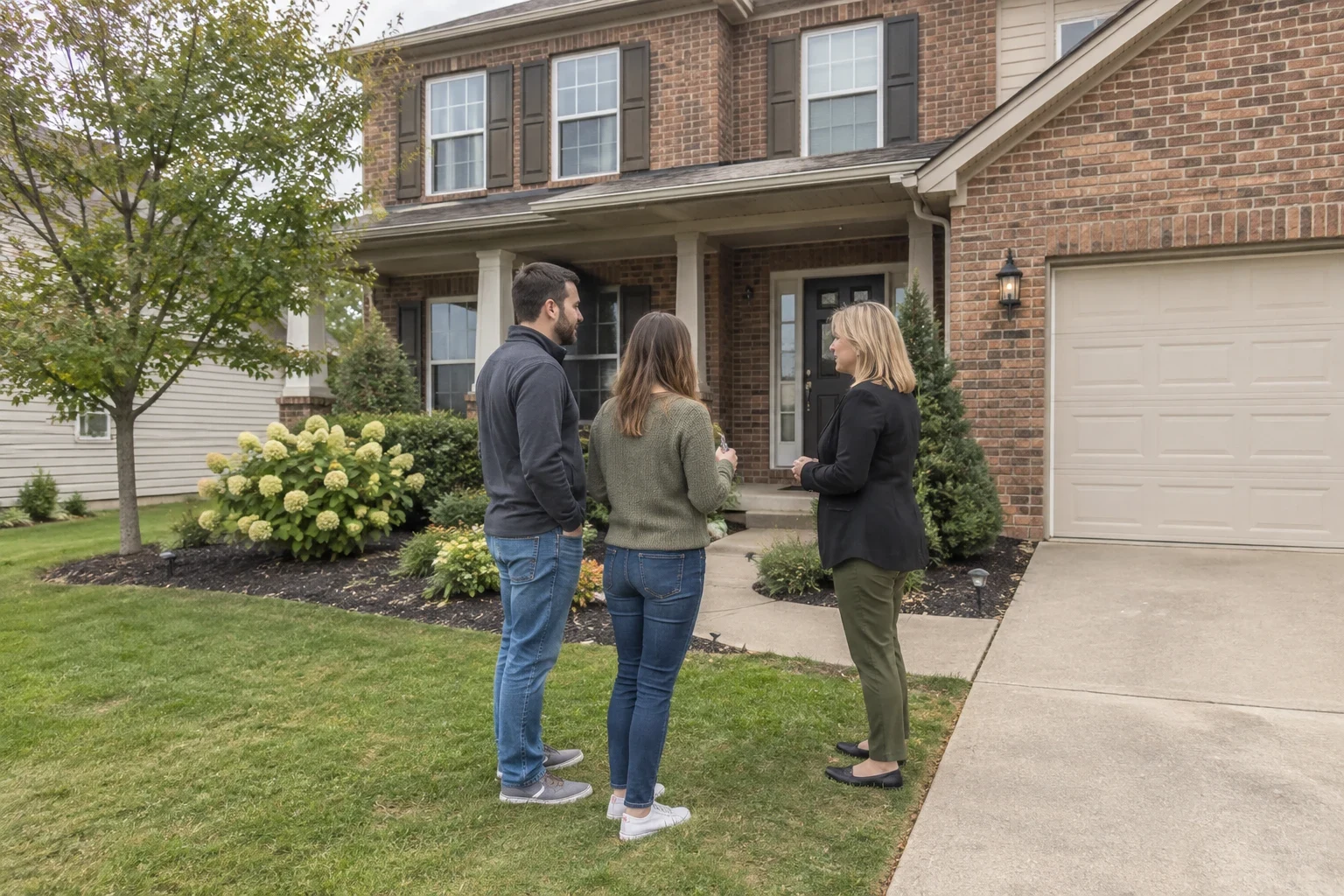
Start with a careful look at your numbers
A short phone conversation is enough to see whether a conventional loan fits and how to set it up well. We can begin your pre-approval on the same call.